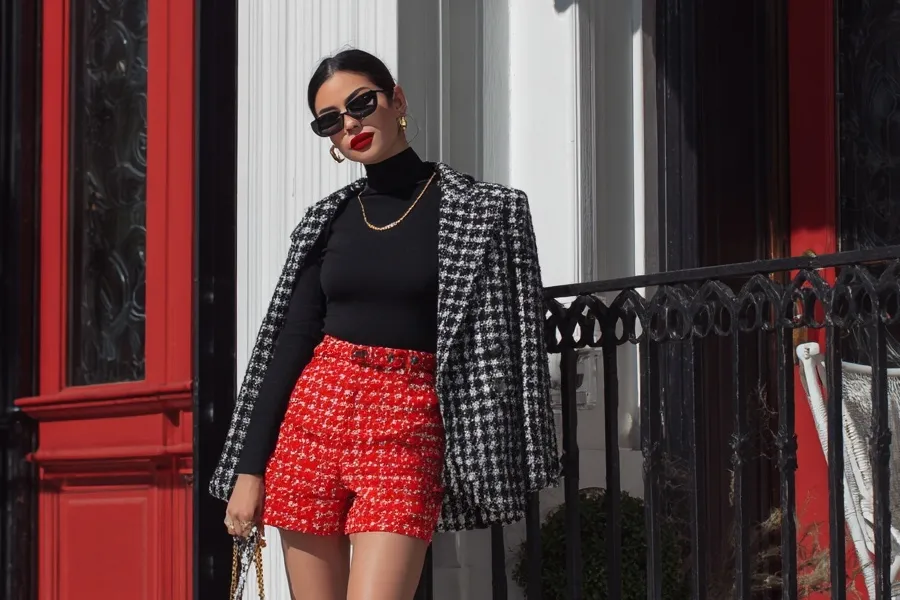
If your closet feels full but your outfits feel random, you need Simple wardrobe coordination ideas that actually stick. You do not need fashion rules that steal your mornings or drain your wallet fast. You need a friendly system that turns daily guessing into quick decisions you trust. That’s why people keep searching for Easy outfit matching tips and saving them like a cheat sheet. You want style that feels like you, not a costume you tolerate.
Most style stress comes from decision fatigue, not from a lack of taste. When you face too many choices, you grab the “safe” outfit and feel bored. Then you buy another “missing piece” and repeat the same cycle again. A better approach starts with a simple structure you can repeat easily. That’s where Effortless Outfit Coordination Guide helps, because it breaks style into clear, doable steps. It keeps things practical, so you can build momentum without feeling overwhelmed.
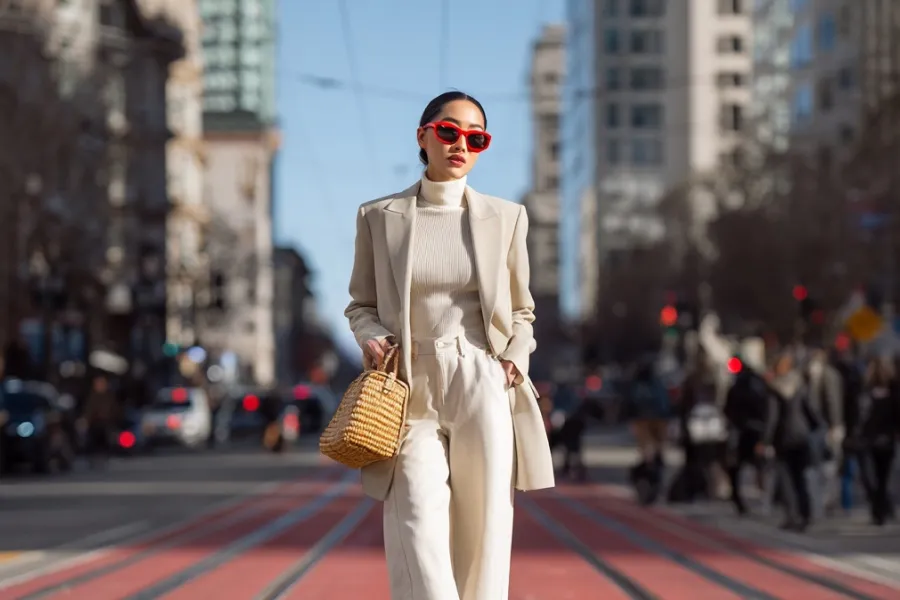
Start by reducing decisions, because fewer choices create more consistent style every single day. Pick two “style anchors” you already love, then treat them like your outfit foundation. An anchor can be a jean cut, a sneaker style, or a neckline you trust. When you repeat anchors, you look polished because your closet speaks one language.
Try a three word vibe before you get dressed, and let it guide each choice. Use words like “clean, confident, relaxed” or “soft, modern, sharp” for fast clarity. This tiny filter stops outfit spirals and makes your closet feel cooperative again. If you want guidance that feels simple, keep How to coordinate outfits easily in mind as your daily rule. Choose one hero piece, then build support pieces that match its mood.
Here’s a quick way to plan outfits without overthinking on busy mornings:
You can follow that pattern in five minutes and still feel like yourself. You also avoid the “try on five outfits” chaos before leaving home. When you want deeper structure, Effortless Outfit Coordination Guide gives you a clear roadmap for repeating outfits without looking repetitive. It feels like a style friend who tells you what matters most.
Color confusion creates most outfit stress, because clashing tones make everything feel “off” quickly. You put on a top, then pants look wrong, then shoes feel confusing too. Instead, build a small color family that matches your real life and lifestyle. Neutrals give you speed, and accents give you personality without extra effort.
Use a simple weekly palette that keeps choices easy, even on tired days. Pick two neutrals you love, one denim shade, and one accent color you repeat. Then add one softening color, like cream, muted blue, or warm taupe. This approach makes pieces mix naturally, so outfits coordinate with less mental work. You get more combinations because your closet stops fighting itself.
If you like clarity, lean on Stress-free outfit styling tips that focus on harmony, not strict rules. Choose one leader color, then let everything else support it calmly. Your outfit looks intentional because the colors feel related, not random.
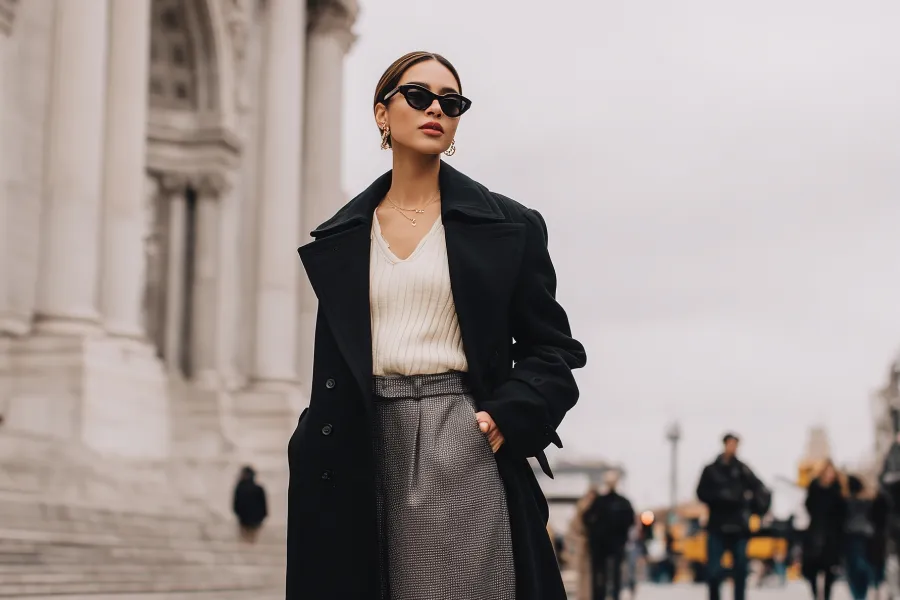
Accessories work best when they solve one goal, not when they add noise or confusion. Choose your goal first, then pick one finishing piece that supports it clearly. You can add structure with a belt, a watch, or a sharper bag shape. You can add softness with hoops, a scarf, or rounded shoe lines. You can add contrast with one bold piece, like a statement shoe or bright lip.
Texture helps too, because contrast creates depth and makes simple outfits look styled. Mix one smooth fabric with one textured fabric for instant visual interest. Try denim with knit, cotton with leather, or satin with a chunky cardigan. Add one layer that creates clean lines, like a blazer or open button-down. These moves take minutes, but they change the whole vibe fast.
A capsule mindset does not mean boring outfits or strict minimalism that feels restrictive. It means each piece earns its space because it matches your real wardrobe life. You stop buying lonely items that match nothing and sit unused for months. You start choosing pieces that mix easily and repeat naturally across outfits.
Think in outfit formulas, not single items, because formulas create repeatable success. For example, “tee plus blazer plus straight jeans” works with many colors and shoes. “Slip skirt plus knit plus sneakers” works across seasons with small tweaks. Once you know your formulas, shopping becomes calmer and more intentional. You stop chasing trends and start building outfits you actually wear.
The printable layout inside Effortless Outfit Coordination Guide | Digital Style eBook for Women supports this approach, because it helps you plan and repeat outfits confidently. It focuses on color harmony, proportion, and accessories in one clear system. You build more outfits with fewer pieces because you plan combinations on purpose. That saves time, reduces stress, and protects your budget too.

When getting dressed feels easy, your whole day starts smoother and more confident. You waste less time changing, and you spend less energy second guessing every choice. You also shop smarter because you stop panic buying “fixes” that do not match. Most importantly, you show up as yourself more consistently, and that always looks stylish.
You can follow one method this week and see quick improvement immediately. Your closet starts cooperating because you finally use a simple system, not willpower.



Leave a comment
You must be logged in to post a comment.